For years, balance discussions have dominated World of Warcraft’s community. Every patch brings debates about who tops the charts and who’s left behind. Yet, the truth is that class identity—how a class feels and functions—matters far more than raw numbers ever could. A perfectly tuned damage meter means little if the gameplay feels soulless. It’s the rhythm, fantasy, and purpose behind each class that define why players stay invested long after the meta shifts.
This article explores why class identity remains at the heart of WoW’s design philosophy—and why preserving it matters more than mathematical equality.
The Soul of the Class Fantasy
Every class in WoW carries a fantasy—an emotional promise. Warriors channel valor, Druids embody nature, Rogues live in the shadows. Players don’t pick classes for damage alone—they pick them to express identity. Blizzard understands this, crafting each toolkit to reflect narrative themes: Paladins wield righteous Light, Warlocks command forbidden power. When classes feel authentic to their lore, even small victories resonate as grand achievements.
Class fantasy isn’t about role—it’s about resonance.
Balance Versus Belonging
Numerical balance ensures fairness, but emotional balance sustains loyalty. A spec that feels distinct—even if slightly weaker—often outlasts “flavor of the month” builds in player hearts. Hunters remain beloved for their pets, not their parses; Priests for their duality between healing and shadow. Blizzard’s greatest success lies in nurturing diversity without homogenization. The goal isn’t equality—it’s individuality.
In a game of roles, uniqueness is the real reward.
The Evolution of Specializations
Over the years, class specializations have become expressions of playstyle philosophy. Legion solidified this with spec-defining artifacts that deepened identity. Dragonflight refined it further through flexible talent trees, allowing personal creativity while retaining flavor. The challenge now is keeping each class fun without diluting what makes it distinct. When players can feel both powerful and personal in their approach, the system succeeds.
Choice without character is empty; character without choice is stale.
- Paladin: Strength through devotion, a balance of offense and protection.
- Death Knight: Power born from sacrifice, mastering life and decay.
- Druid: Fluidity between roles, representing nature’s adaptability.
- Rogue: Precision and cunning as tools of survival and control.
- Mage: Discipline through intellect—chaos shaped by knowledge.
The Pitfall of Over-Balancing
Chasing numerical perfection can erode what makes classes memorable. When every ability feels standardized for fairness, the experience loses texture. Players don’t remember topping a meter—they remember when a unique ability saved the group or defined a strategy. Blizzard has learned this lesson over years of feedback: slight imbalance is acceptable if it preserves fantasy. After all, asymmetry breeds stories.
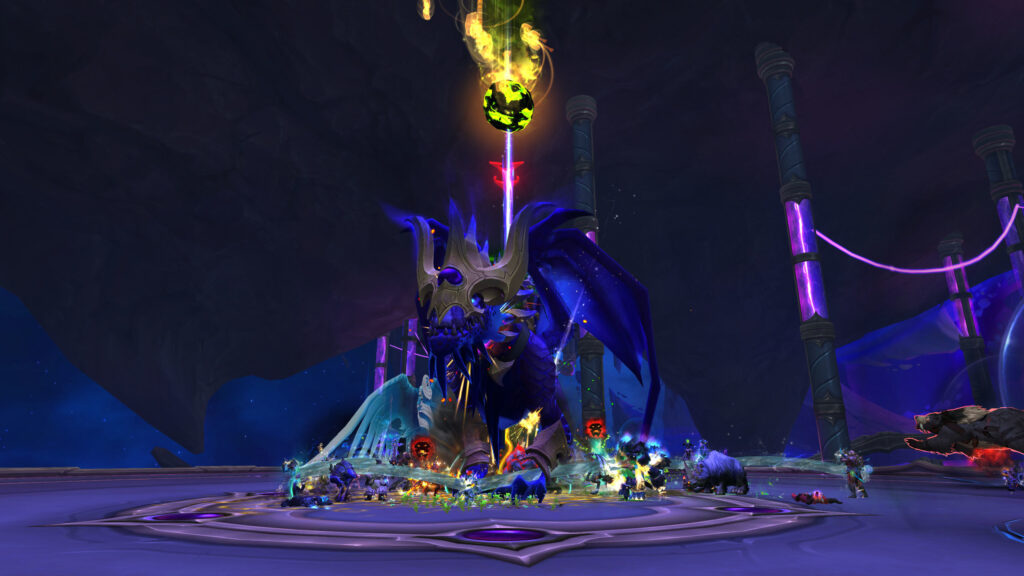
Perfect numbers can’t replace imperfect beauty.
Community and Class Pride
Class identity extends beyond gameplay—it builds communities. Druids share form macros, Priests debate transmog theology, and Warriors celebrate banner moments of heroism. These microcultures thrive because classes feel like families. In a world of shifting metas, identity creates belonging. Even when nerfs hit, players stay loyal because they’re not just defending DPS—they’re defending who they are in Azeroth.
Numbers unite groups; identity unites generations.
Design in The War Within
Blizzard’s upcoming systems in The War Within emphasize class depth over raw scaling. Hero Talent Trees combine lore and mechanics, allowing players to customize within identity rather than beyond it. A Priest can embrace the Voidweaver, a Warrior the Mountain Thane—choices that define flavor as much as function. It’s a philosophy that proves Blizzard finally understands: power should enhance personality, not erase it.
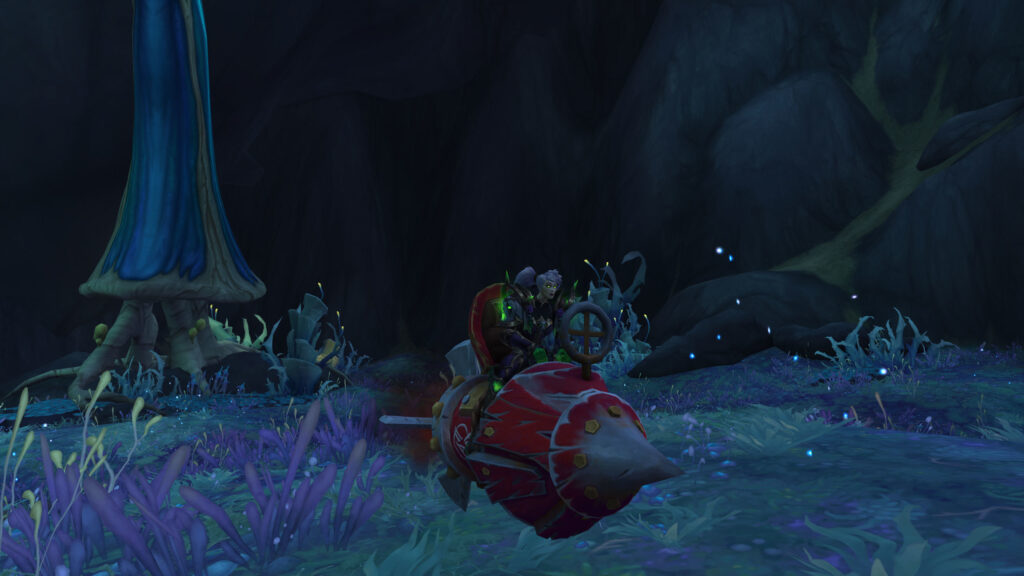
In 2025, the strongest class isn’t the one with the biggest numbers—it’s the one that feels right to play.
Conclusion
Raw power fades with every patch, but identity endures. Class fantasy gives players emotional connection, creative freedom, and a sense of purpose within the larger story. It’s what transforms spreadsheets into legends, rotations into rituals, and classes into cultures. Blizzard’s ongoing mission isn’t to equalize everything—it’s to ensure every class remains irreplaceably itself.
Because in Azeroth, greatness isn’t measured in damage—it’s measured in soul.
Home