
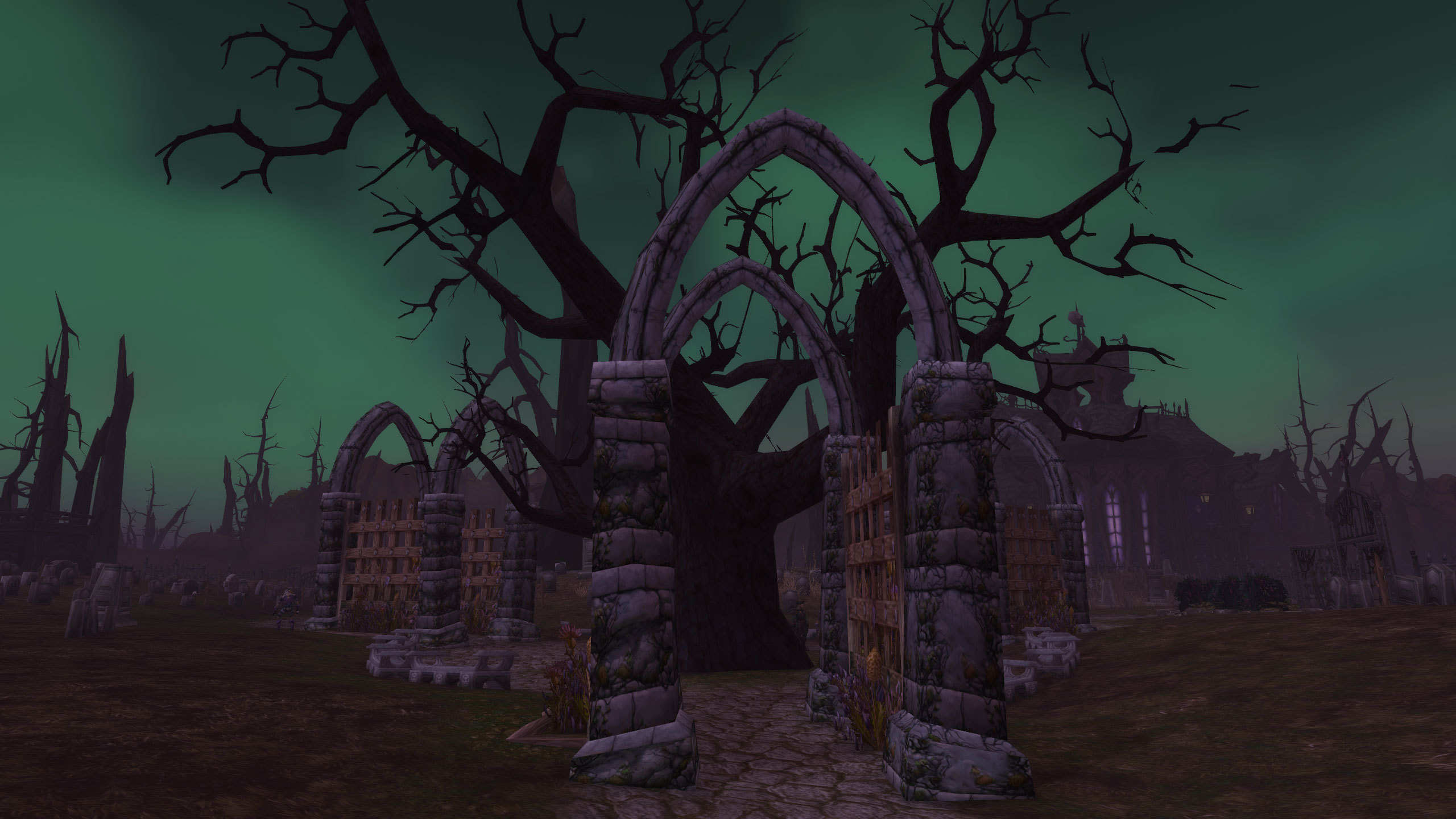
The Forsaken remain one of the most thematically complex factions — beings caught between life and death, seeking meaning in the aftermath of a transformation they never asked for. Their stories explore what it means to exist without belonging, to navigate emotions still felt but no longer fully lived, and to rebuild identity from fragments of memory. Their journey is not one of simple horror but of rebirth, community, and the search for purpose in a world that fears or misunderstands them.
This article explores how Forsaken storylines deepen themes of identity, rebirth, and emotional resilience through the eyes of the undead.

A Life Remembered, A Body Transformed
Forsaken narratives begin with dissonance — memories of life collide with an existence shaped by undeath. Their condition blurs the boundary between who they once were and who they must become. This struggle drives many of their stories, as Forsaken characters attempt to reconcile the remnants of emotion, loyalty, and purpose that linger from their past lives. Their identity becomes a mosaic shaped by grief, survival, and rediscovery.
Undeath becomes a state defined not by loss, but by the challenge of rebuilding meaning.
Community Formed Through Shared Pain
The Forsaken are bonded not by bloodline, nation, or ancestry — but by suffering. Their community is rooted in shared trauma and the understanding that only they can truly comprehend the experience of being neither alive nor dead. This unity creates a faction built on empathy, resilience, and determination. Through hardship, they form a society that values autonomy and mutual support.
To highlight how their community forms, here is an overview of core Forsaken themes:
| Theme | Description | Impact on Identity |
|---|---|---|
| Shared suffering | Mutual understanding born from trauma | Strength through common experience |
| Independence | A rejection of domination and control | Fierce loyalty to personal will |
| Memory | Fragments of life retained after death | Identity shaped by echoes of the past |
| Reclamation | Efforts to rebuild society and purpose | Hope rooted in restoration |
The Search for Purpose Beyond Death
One of the Forsaken’s greatest narrative strengths is their quest for purpose. Freed from the Lich King’s influence, they had to define themselves beyond servitude or conquest. Their storylines revolve around choosing paths that give meaning to their continued existence — whether through leadership, vengeance, diplomacy, or quiet resilience. This search reflects powerful emotional themes: what do you fight for when you have already died?
Purpose becomes a second chance rather than an obligation.
Rebirth Through Will and Self-Determination
Despite their haunting condition, Forsaken stories often highlight rebirth. Characters rebuild lives from fractured memories, forge new alliances, or reclaim places tied to their former selves. Their transformation is not just physical but emotional — a journey of rediscovery that challenges assumptions about undeath. Instead of succumbing to despair, many choose reinvention, carving out futures defined by choice rather than circumstance.
Rebirth becomes an act of defiance and strength.
The Emotional Weight of Being Forsaken
The difficulty of being undead is not portrayed lightly. Forsaken narratives embrace sorrow, confusion, anger, and longing. Yet these emotions are balanced by themes of pride, determination, and unity. Their stories acknowledge suffering without letting it define them entirely. This emotional duality makes them some of the most compelling characters — beings who endure profound pain yet continue fighting for meaning.
Their depth lies in the contrast between what they lost and what they reclaim.
Conclusion
Forsaken storylines explore identity and rebirth through the lens of undeath, using emotional complexity to redefine what it means to live after life has ended. Their struggles and triumphs form narratives rooted in autonomy, resilience, and the enduring desire for meaning. Through their stories, players see that undeath is not merely a curse but a catalyst for profound transformation. In the end, the Forsaken remind us that identity is not defined by circumstance — but by choice.