

The Ogre Kingdoms of Outland represent a unique and formidable faction within the expansive lore of the Warcraft universe. Central to this narrative is Gruul the Dragonkiller, a legendary figure whose strength and ferocity have made him a symbol of ogre might. The Blade’s Edge Mountains serve as the backdrop for these ogres, characterized by their brutal culture and relentless pursuit of power. This guide delves into the intricacies of Gruul’s legacy, the cultural dynamics of the ogres, and their strategic significance in the world of Warcraft.
What is the significance of Gruul the Dragonkiller in the Ogre Kingdoms?
Gruul the Dragonkiller is a pivotal figure in the Ogre Kingdoms, symbolizing their strength and resilience against powerful foes.
Gruul’s legend is deeply intertwined with the history of the ogres, particularly in the context of their conflicts with dragons and other formidable adversaries. His moniker, “Dragonkiller,” is not merely a title but a testament to his prowess in battle, having slain numerous dragons that threatened his kin. This act of defiance against such powerful creatures has elevated him to a near-mythical status among the ogres, instilling a sense of pride and unity within their ranks. Gruul’s legacy is also significant in the broader narrative of Outland, as it highlights the ogres’ struggle for survival and dominance in a harsh environment.
- Gruul’s victories against dragons serve as a rallying point for ogre warriors.
- His story is essential for understanding the ogres’ cultural identity and values.
- Gruul’s influence extends beyond mere combat; he embodies the spirit of resistance.
- His legacy impacts the political dynamics within the Ogre Kingdoms.
How do the ogres of the Blade’s Edge Mountains operate within their society?
The ogres of the Blade’s Edge Mountains operate within a brutal hierarchy, driven by strength and dominance.
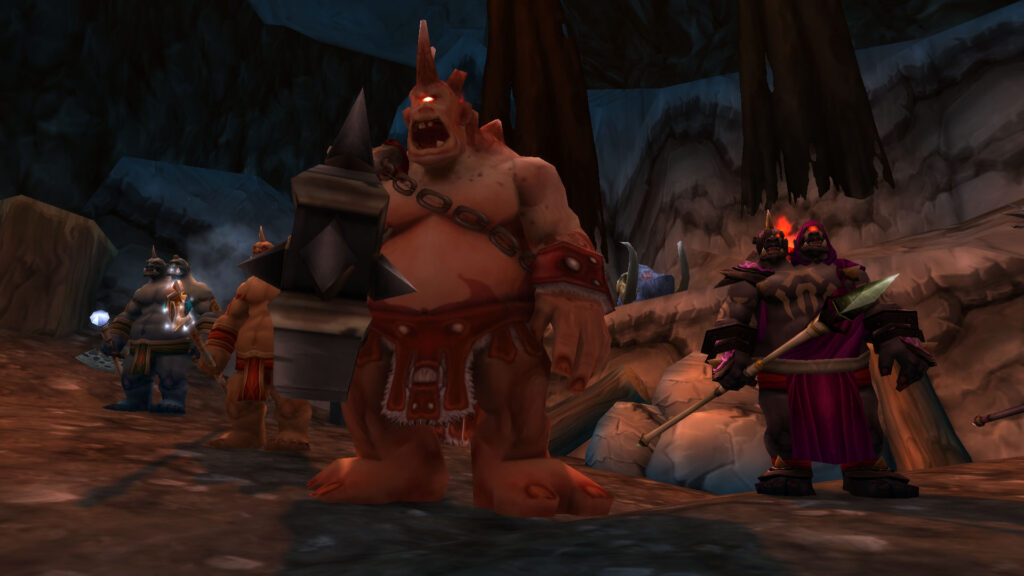
Ogre society is characterized by a strict caste system where physical prowess dictates status and power. The strongest ogres rise to leadership positions, often through displays of combat skill and cunning. This societal structure fosters a culture of competition, where ogres constantly seek to prove their strength, often leading to violent confrontations. Additionally, the ogres’ reliance on brute force is complemented by their cunning in warfare, employing ambush tactics and overwhelming numbers to conquer their enemies. Their society is also marked by a deep-seated animosity towards other races, particularly those who threaten their territory or resources.
Strategically, the ogres utilize their knowledge of the rugged terrain of the Blade’s Edge Mountains to their advantage. They often set up ambush points and utilize the natural landscape to conceal their movements. The ogres are also known for their brutal raiding parties, which target nearby settlements, showcasing their aggressive expansionist tendencies. This operational strategy not only reinforces their dominance in the region but also serves to instill fear in their adversaries.
What are the key logistical aspects of ogre operations in the Blade’s Edge Mountains?
The logistical operations of ogres in the Blade’s Edge Mountains revolve around resource acquisition and territorial control.
Ogres are adept at utilizing the resources available in their mountainous homeland, including minerals, wildlife, and magical artifacts. Their settlements are often strategically located near resource-rich areas, allowing them to sustain their war efforts and bolster their numbers. The ogres also engage in trade, albeit reluctantly, with other factions, exchanging raw materials for weapons and supplies. This trade is often fraught with tension, as ogres are known for their aggressive bargaining tactics.

What are the primary characteristics of the ogres in the Blade’s Edge Mountains?
The ogres in the Blade’s Edge Mountains are characterized by their immense strength, brutal culture, and strategic cunning.
The following table outlines the primary characteristics of these ogres, providing insights into their societal structure, combat style, and resource management.
| Characteristic | Description | Impact on Society | Strategic Advantage |
|---|---|---|---|
| Strength | Physical prowess is paramount, determining status. | Leads to a hierarchy based on combat ability. | Allows for dominance in battles and raids. |
| Cunning | Strategic thinking in warfare and resource management. | Facilitates successful ambushes and raids. | Enhances survival in a hostile environment. |
| Brutality | Violence is a common means of resolving disputes. | Fosters a culture of fear and respect. | Deters potential threats from other factions. |
How do ogres manage their resources in the Blade’s Edge Mountains?
Ogres manage their resources through a combination of raiding, mining, and territorial control.
Resource management is critical for the survival of ogres in the harsh environment of the Blade’s Edge Mountains. They engage in mining operations to extract valuable minerals, which are essential for crafting weapons and armor. Additionally, ogres hunt the local wildlife for food and materials, ensuring a steady supply of resources. Their raiding parties often target nearby settlements to acquire additional supplies, showcasing their aggressive approach to resource acquisition.
What metrics can be used to evaluate the efficiency of ogre operations?
Metrics for evaluating ogre operations include resource acquisition rates, combat effectiveness, and territorial expansion.
To measure the efficiency of ogre operations, one can analyze the rate of resource acquisition, including the quantity of minerals mined and food gathered through hunting. Combat effectiveness can be assessed by examining the success rates of raids and battles, providing insights into their military strategies. Territorial expansion metrics can include the number of successful raids and the amount of land controlled over time, reflecting their growth and dominance in the region.
What expert recommendations exist for understanding ogre strategies?
Understanding ogre strategies requires a focus on their cultural values, combat tactics, and environmental adaptations.
To gain a deeper understanding of ogre strategies, one should study their cultural values, particularly their emphasis on strength and dominance. Analyzing their combat tactics, including ambush strategies and the use of terrain, can provide valuable insights into their operational effectiveness. Additionally, observing their environmental adaptations, such as resource management and settlement locations, can reveal how they thrive in the challenging landscape of the Blade’s Edge Mountains.
Frequently Asked Questions
What role does Gruul play in the current lore of the Ogre Kingdoms?
Gruul serves as a legendary figure whose past victories against dragons continue to inspire ogres today. His legacy influences the ogres’ cultural identity and their ongoing conflicts with other factions in Outland.
How do ogres interact with other races in Outland?
Ogres typically exhibit hostility towards other races, viewing them as threats to their territory. However, they may engage in trade under duress, often leading to tense negotiations.
What are the primary threats to the Ogre Kingdoms?
The primary threats to the Ogre Kingdoms include rival factions, particularly those that seek to encroach on their territory, and the ever-present dangers posed by the harsh environment of Outland.
How can players effectively engage with ogres in gameplay?
Players should focus on understanding ogre combat tactics and resource management strategies. Utilizing terrain to their advantage and employing ambush tactics can help in effectively engaging with ogres in gameplay.